One Blue Bead
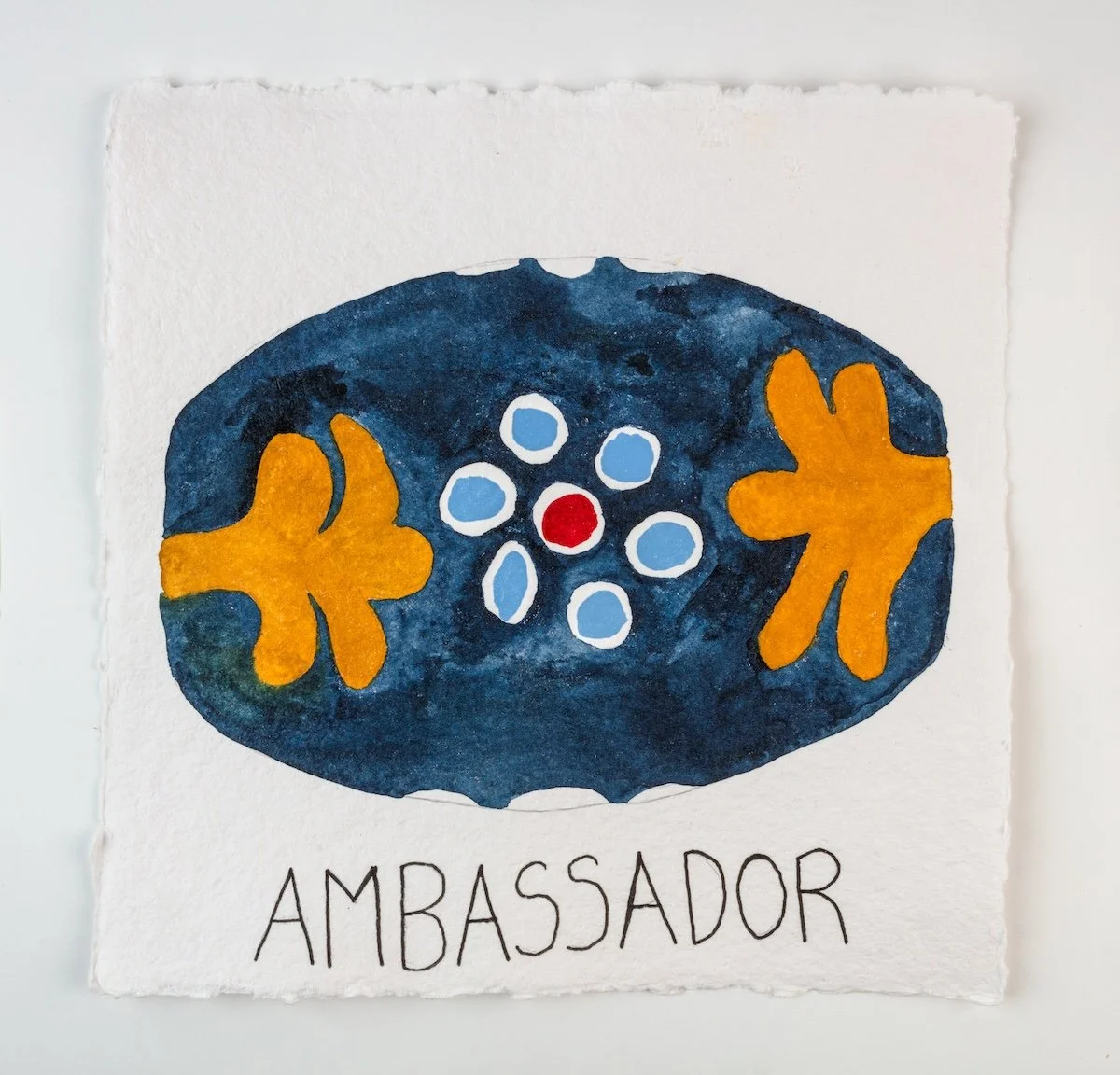
Ambassador Bead (LCA WRS2025_054), 2025
Watercolor
12.25 x 12.25 inches
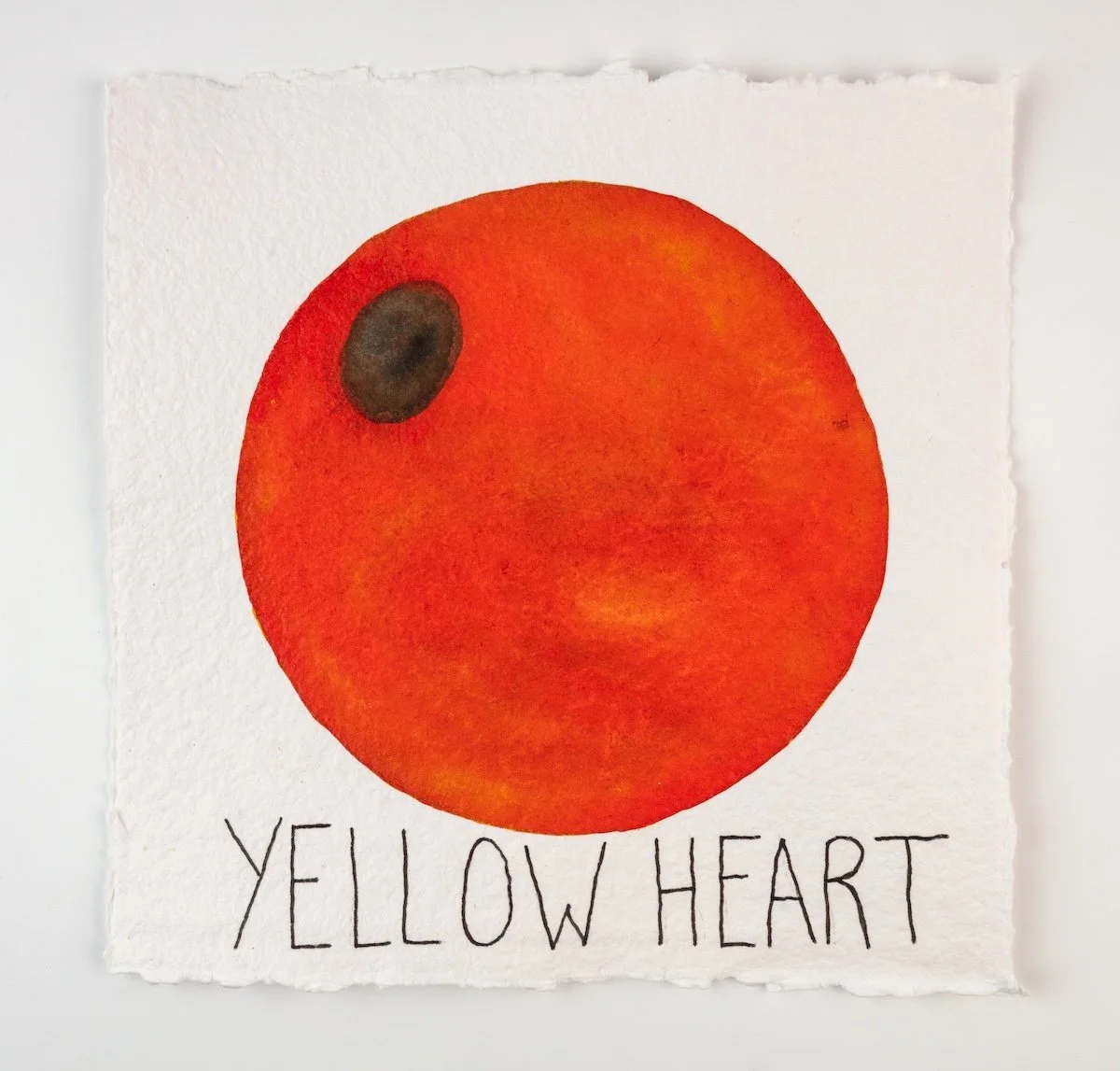
Yellow Heart Bead (YHT WRS2025_105), 2025
Watercolor
12.25 x 12.25 inches
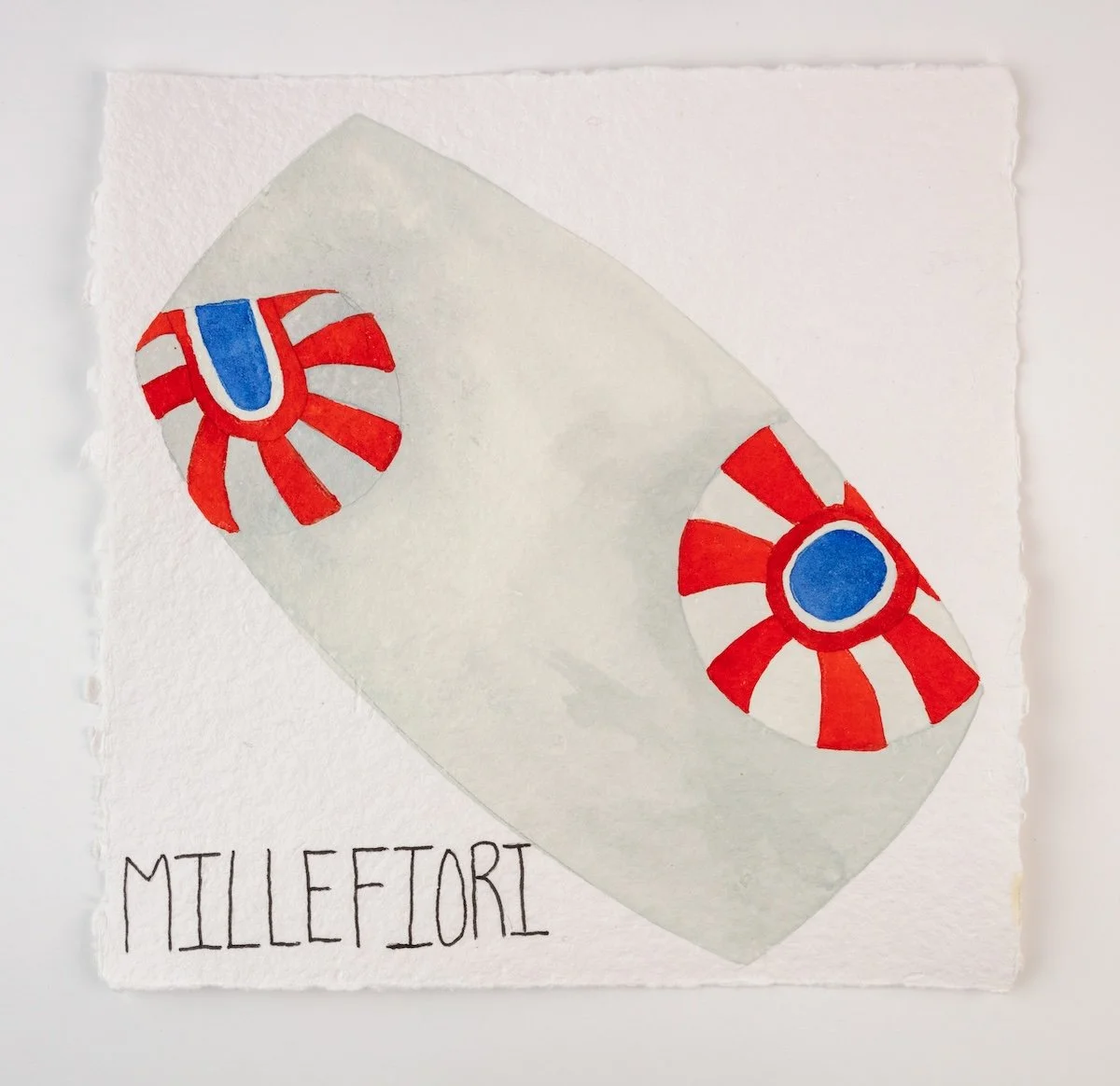
Millefiori Bead (MFR WRS2025_183), 2025
Watercolor
12.25 x 12.25 inches
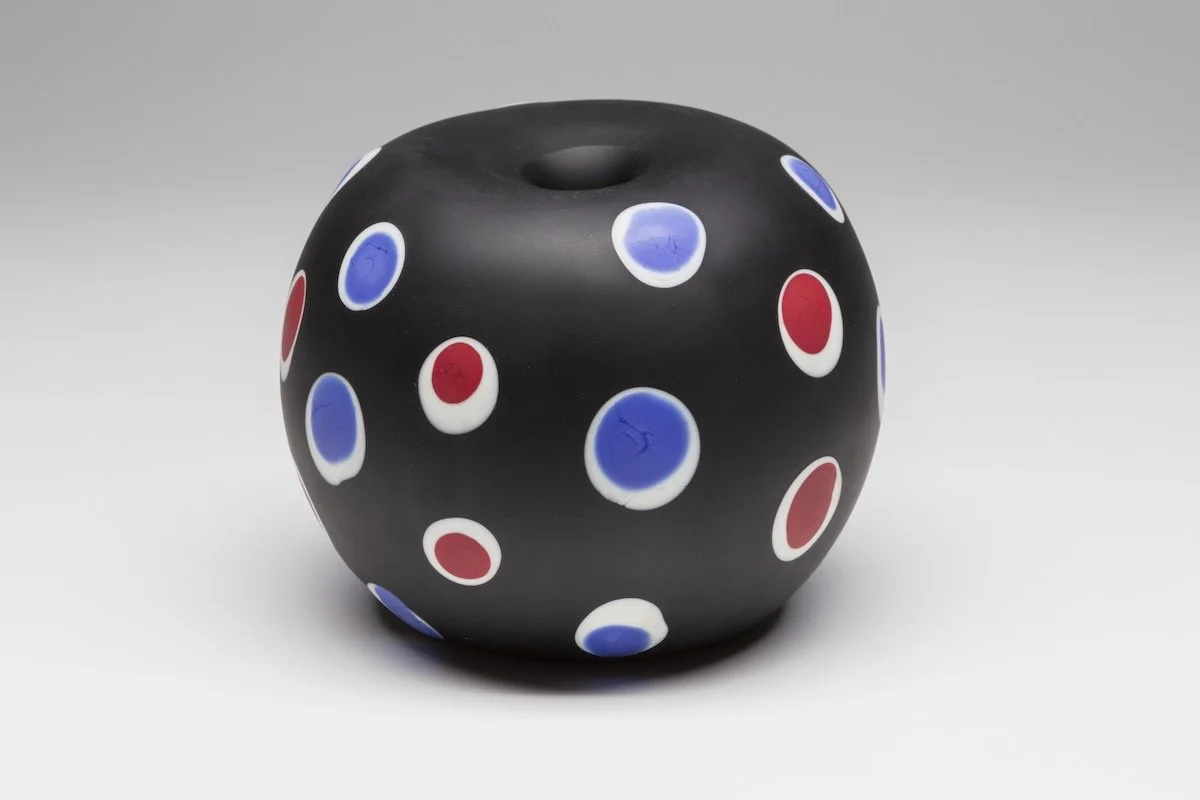
Skunk Bead (SKE WRS2025_016), 2025
Glass
5 x 6 x 6 inches
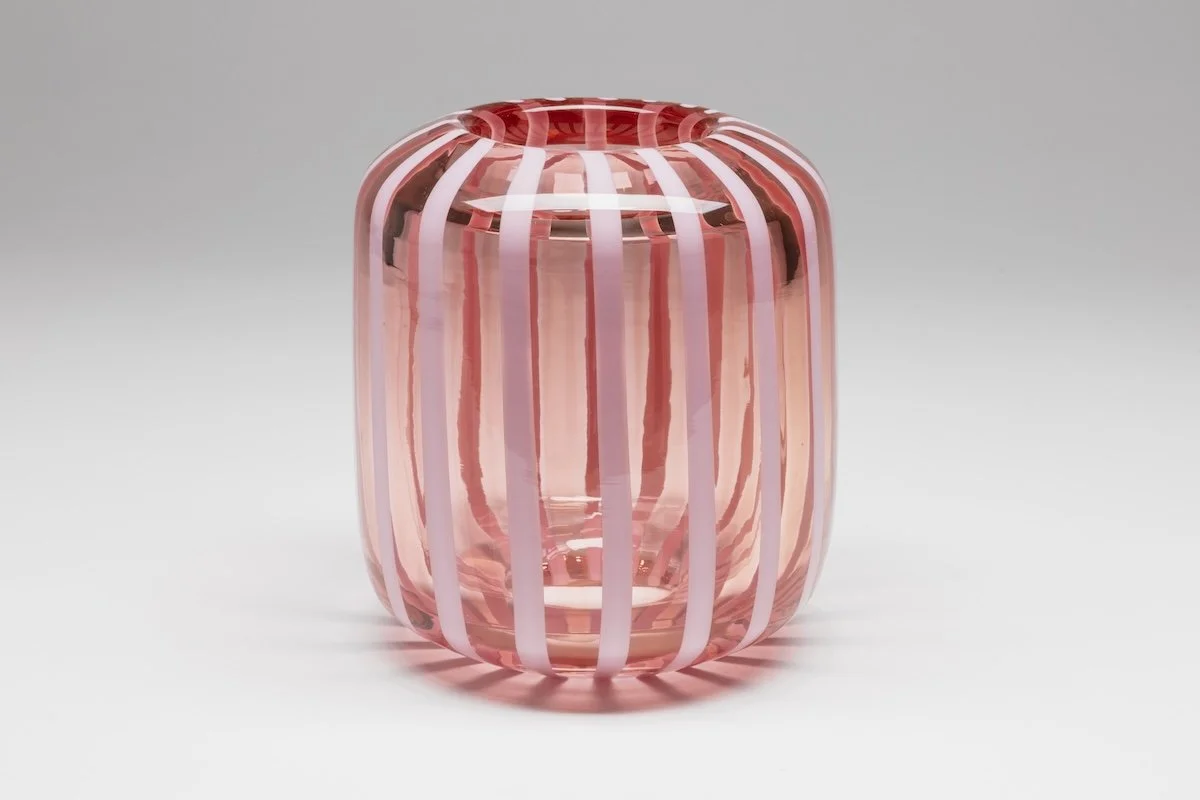
Gooseberry Bead (GSB WRS2025_023), 2025
Glass
5.75 x 5.5 x 5.5 inches
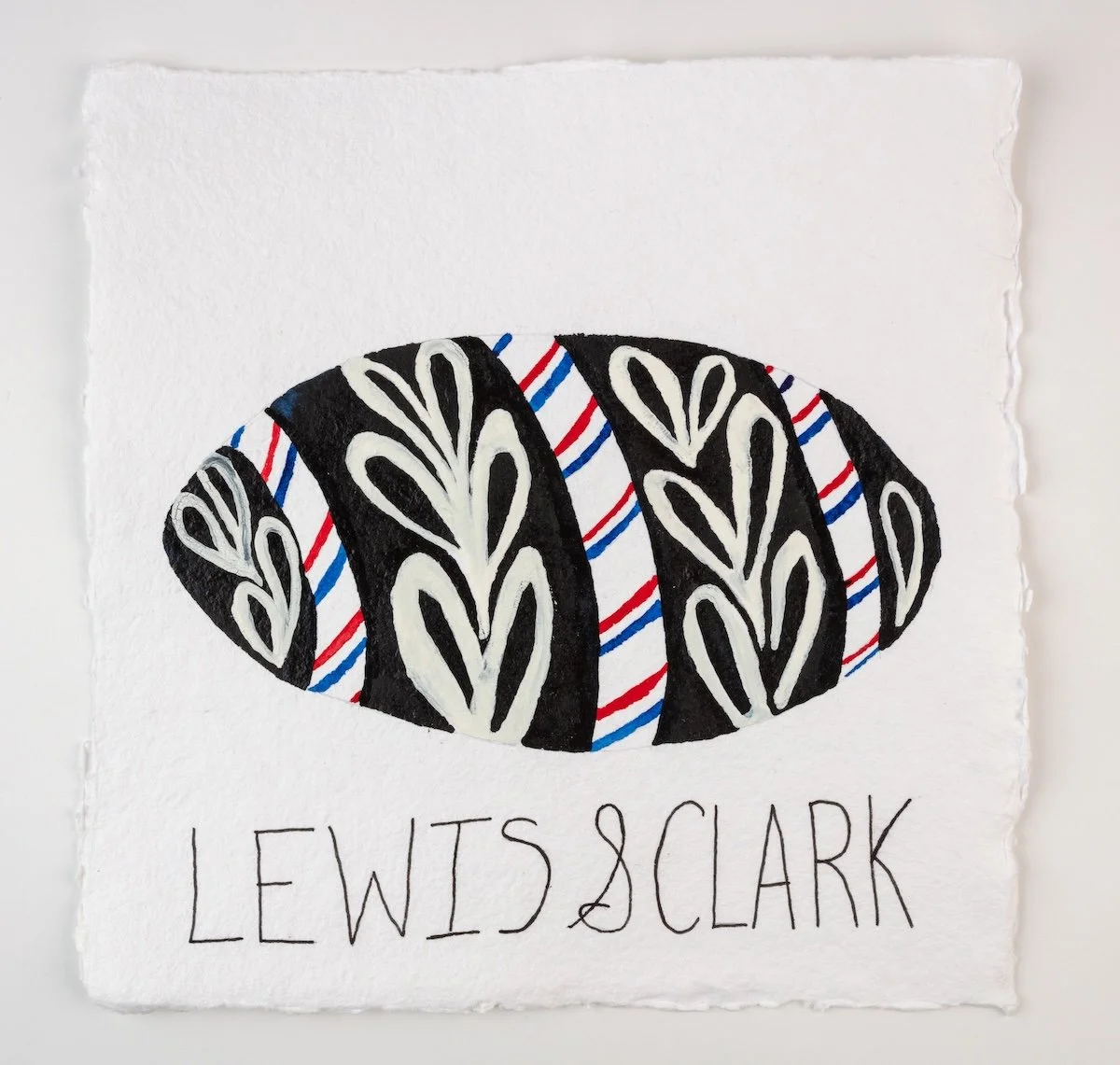
Lewis & Clark Bead (LCA WRS2025_121), 2025
Watercolor
12.25 x 12.25 inches
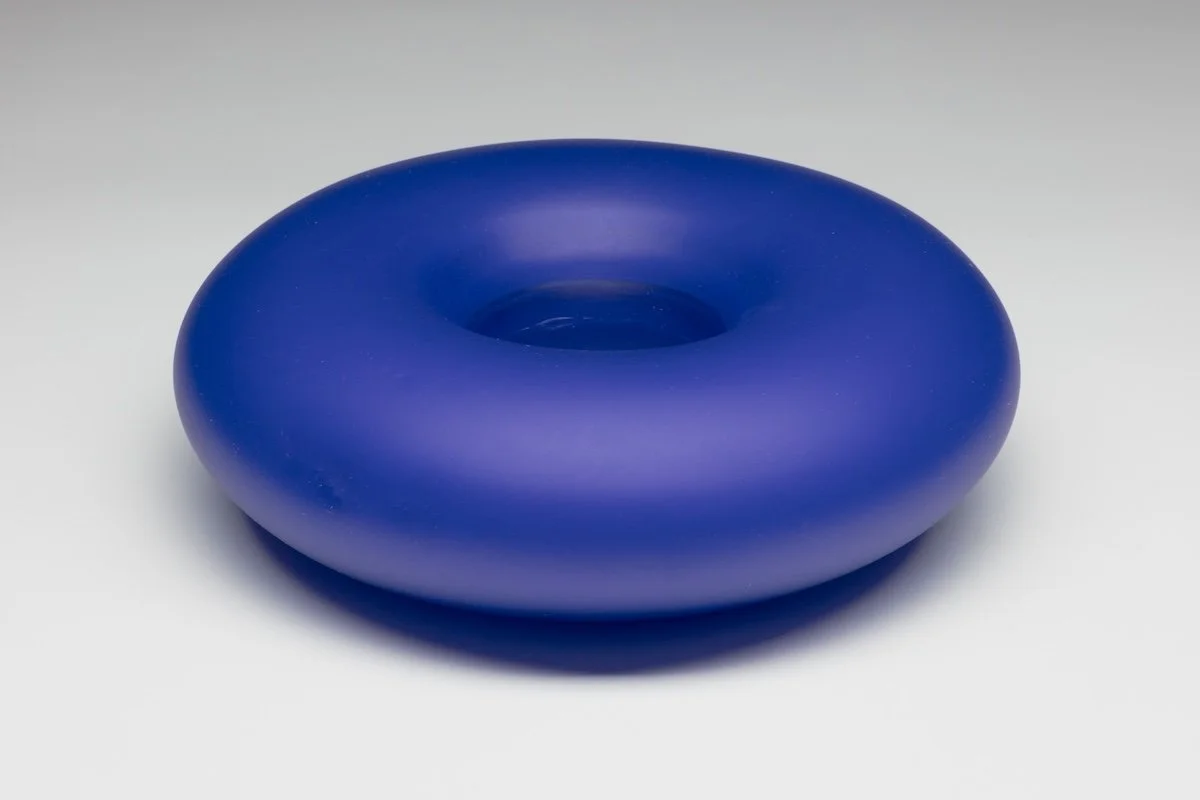
Dogon Donut Bead (DGN WRS2026_010), 2026
Glass
2.75 x 8.25 x 8.25 inches
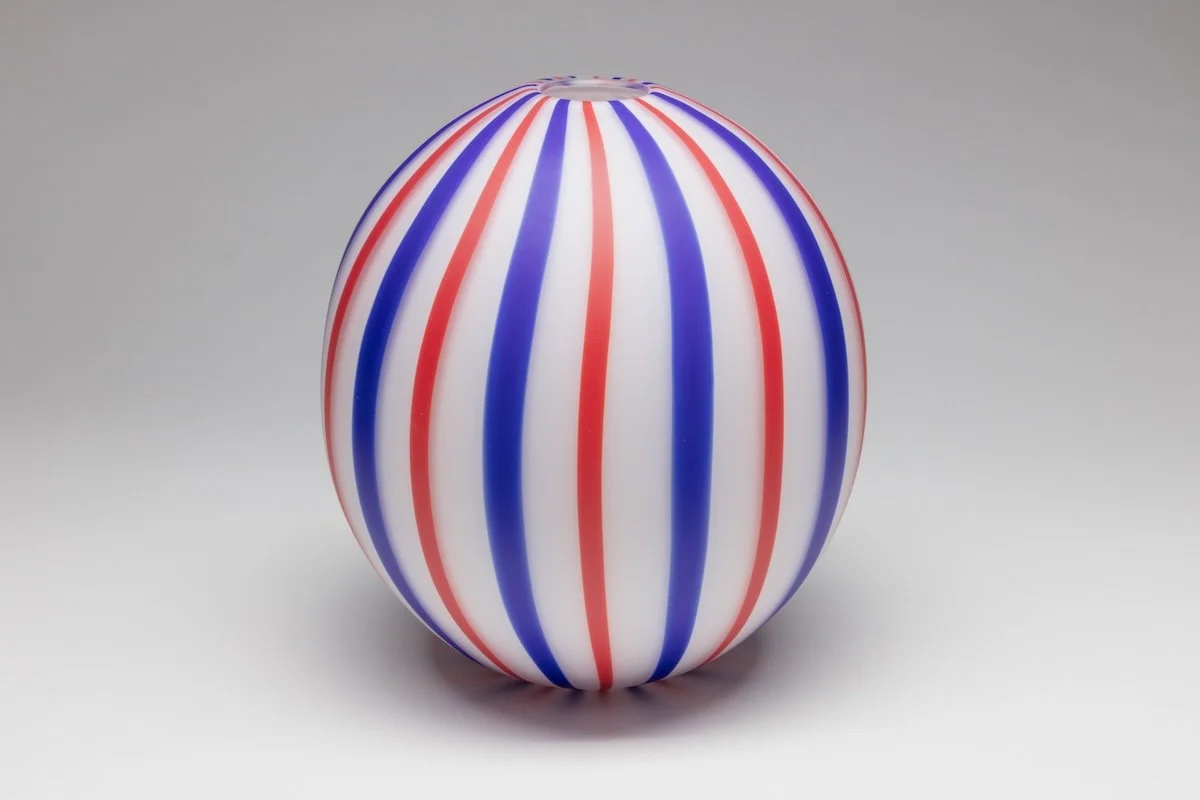
Manhattan Bead (MNH WRS2026_017), 2026
Glass
9.25 x 8.5 x 8.5 inches
One Blue Bead, 2026
Photography by Kevin McConnell
This body of work centers on the artist’s research into trade beads – items that were simultaneously currency between colonizers and Indigenous people, variable markers of value, and compelling aesthetic objects. Through watercolor paintings and glass sculptures, Red Star indexes dozens of historical trade bead types, creating a taxonomy of their designs and histories.
Legend has it that the Dutch purchased the island of Manhattan in 1626 from members of the Munsee tribe for a handful of beads. There are no clear historical records of this transaction, and what does survive is entirely from the perspective of the Dutch. The story is often told to highlight the naiveté of the Indigenous people, who allegedly sold what would become some of the most valuable real estate in the world in exchange for trinkets. One Blue Bead takes the beads themselves seriously, using them as a means to understand systems of value to both Native and non-Native people in the past and today. Red Star traces the path of the beads from Europe to Africa and the Americas, where these tiny objects were traded for human lives and tracts of land. An early example of mass-production, beads allowed colonists to assign exchange values to everything they touched, transforming the world through their circulation.
— Text from One Blue Bead, Sargent’s Daughters, New York, NY
-
One Blue Bead
Sargent’s Daughters, New York, NY