False Stars
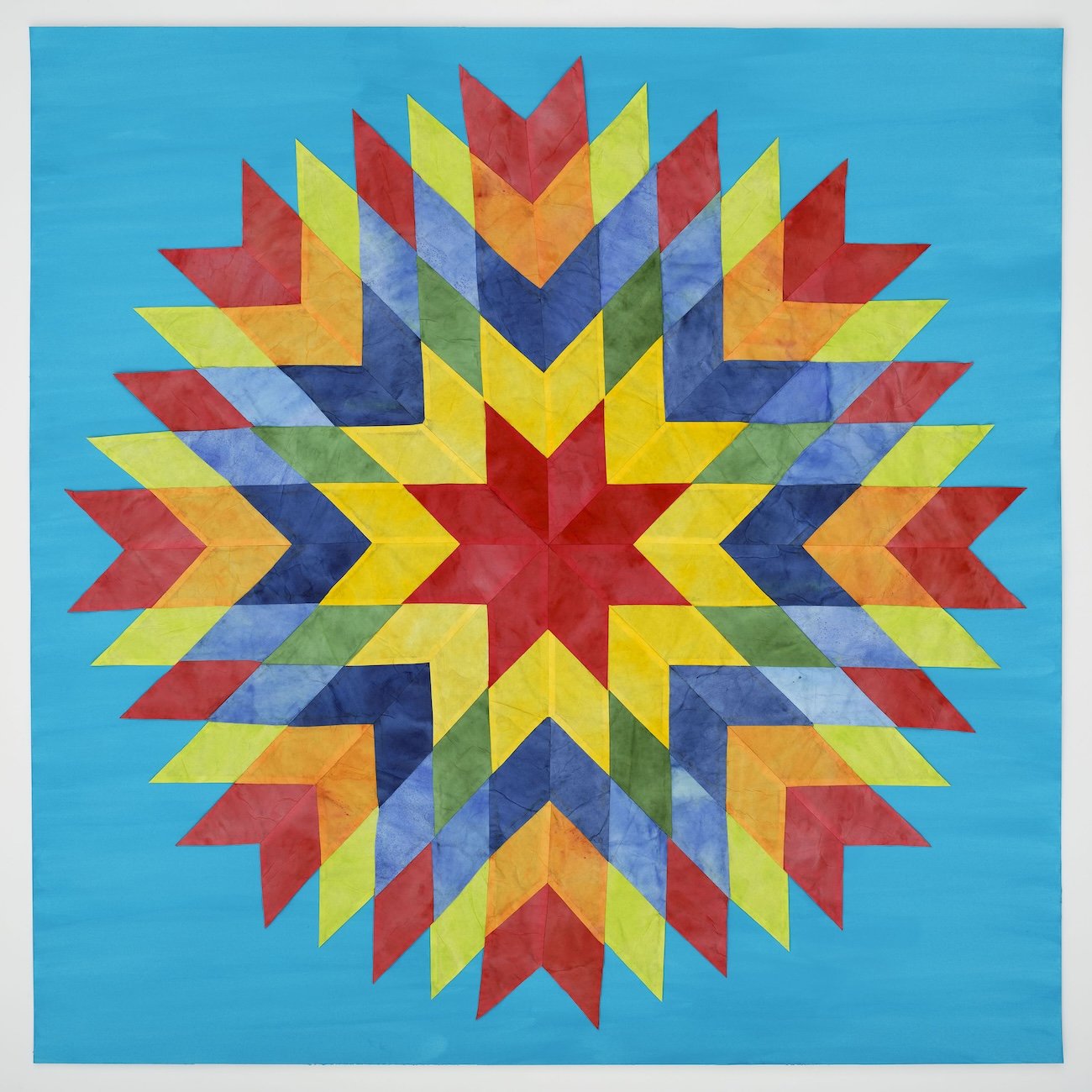
Star Field 001, 2026
Watercolor on Yasutomo rice paper and gouache on BFK Rives printmaking paper
42 × 42 inches
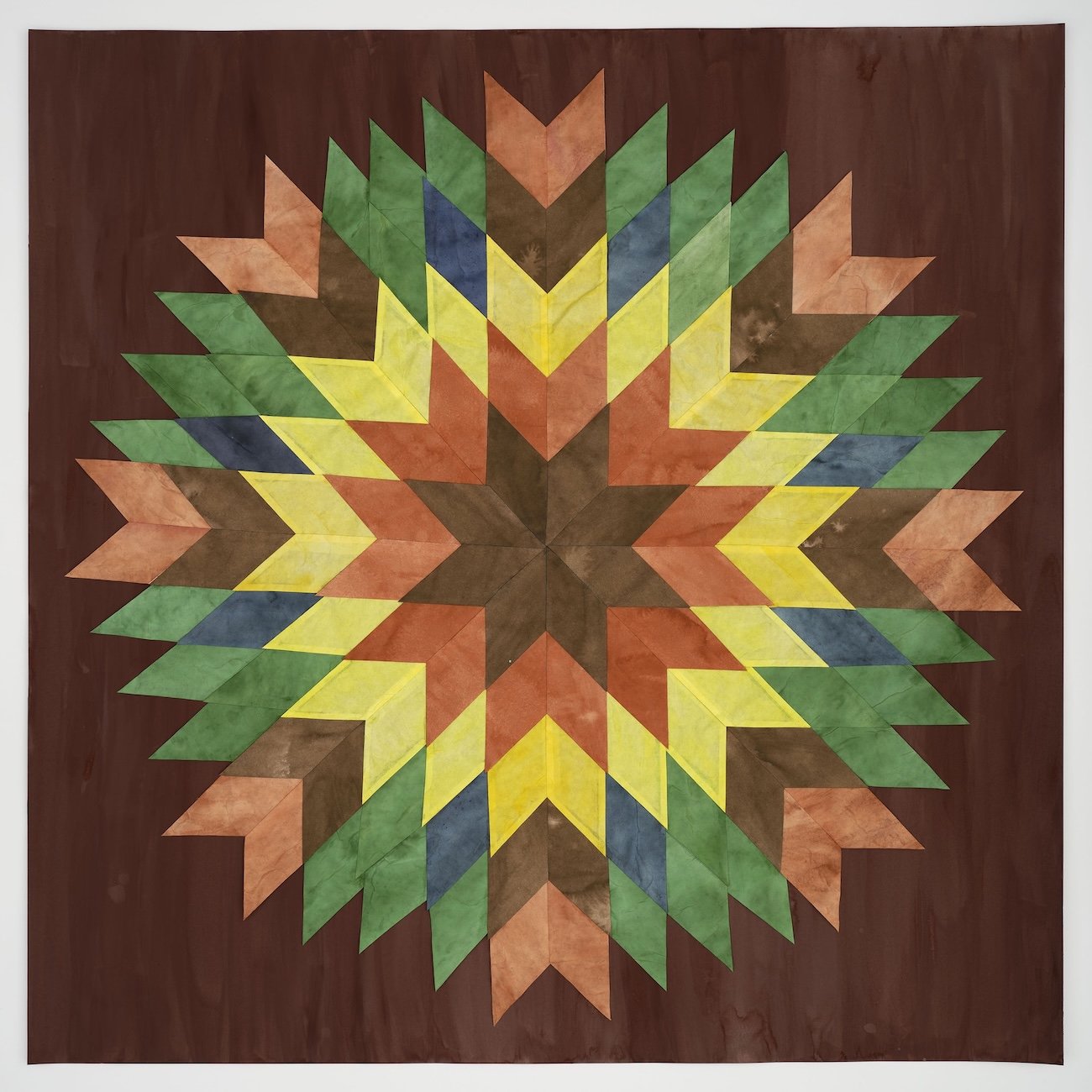
Star Field 003, 2026
Watercolor on Yasutomo rice paper and gouache on BFK Rives printmaking paper
42 × 42 inches
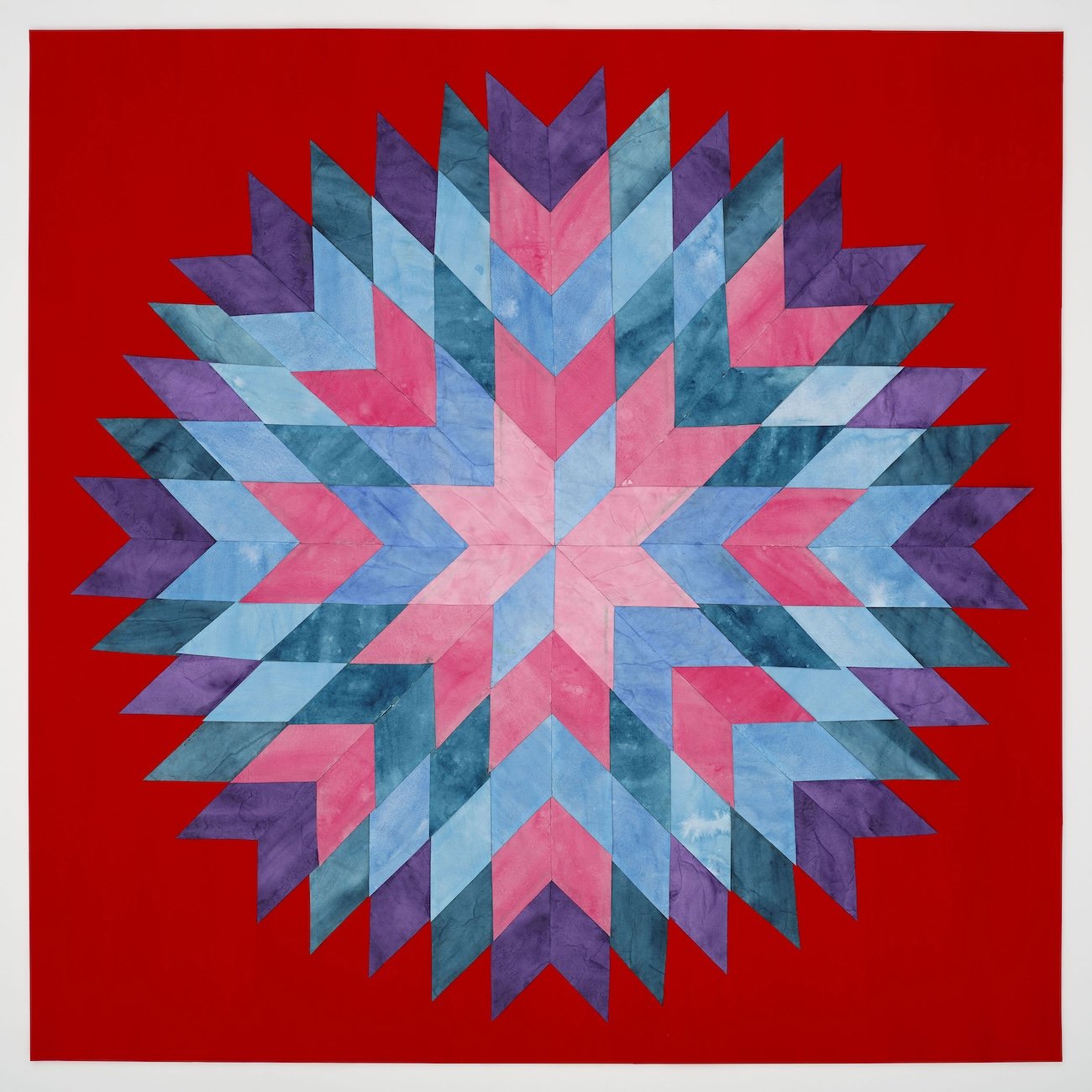
Star Field 005, 2026
Watercolor on Yasutomo rice paper and gouache on BFK Rives printmaking paper
42 × 42 inches
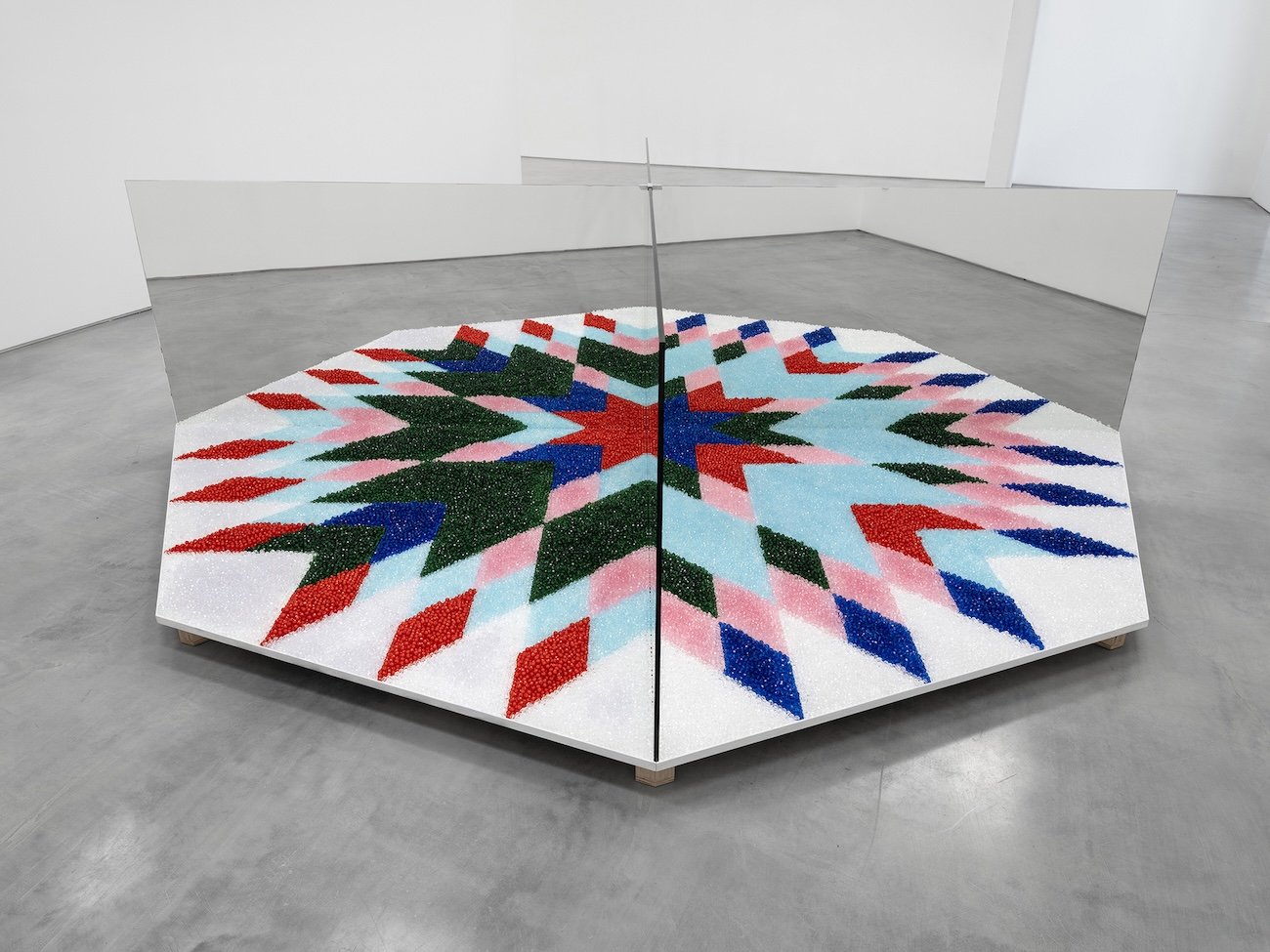
Morning Star I, 2026
Wooden structure, mirrors and acrylic beads
36 × 144 × 144 inches
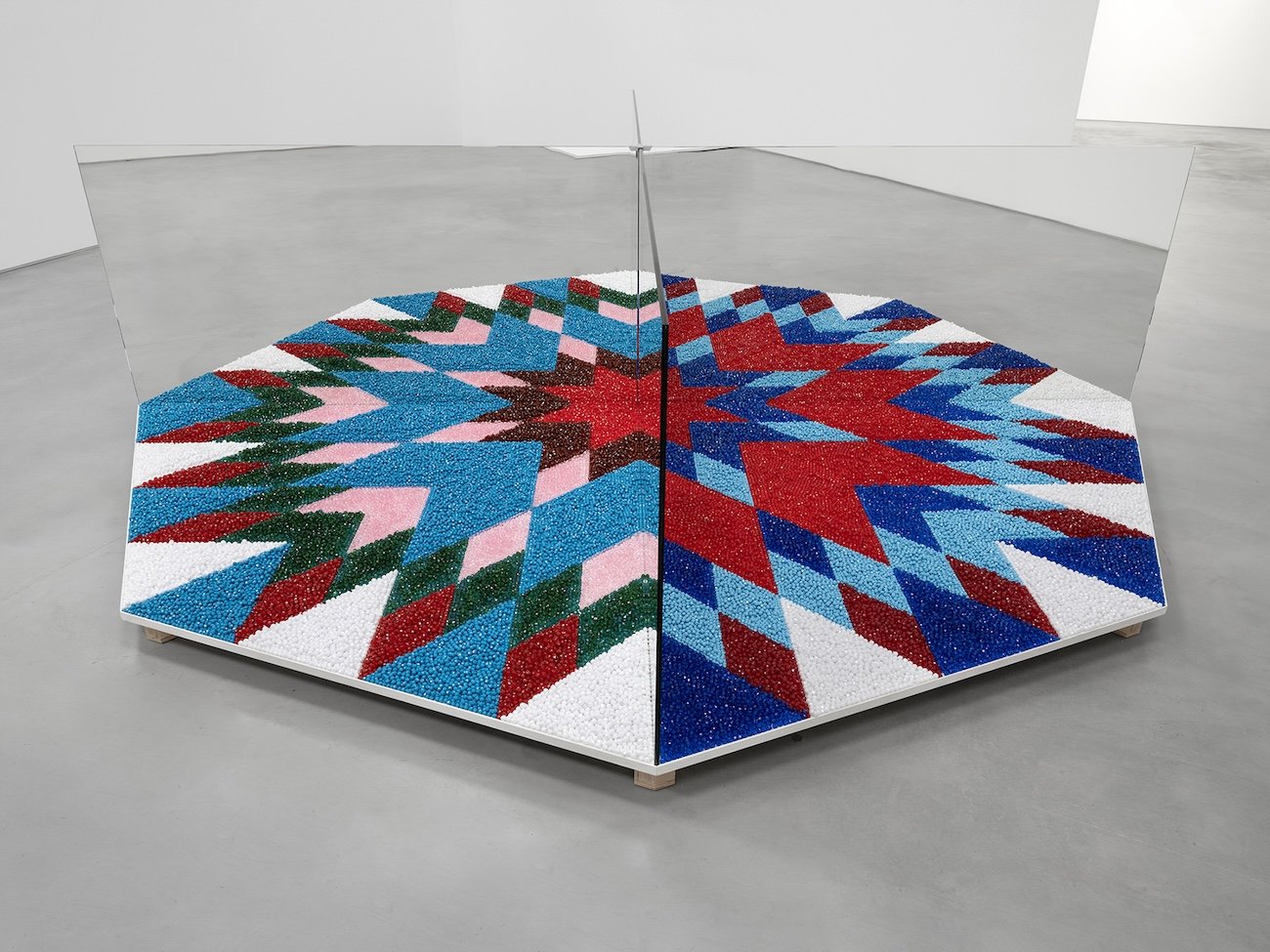
Morning Star II, 2026
Wooden structure, mirrors and acrylic beads
36 × 144 × 144 inches
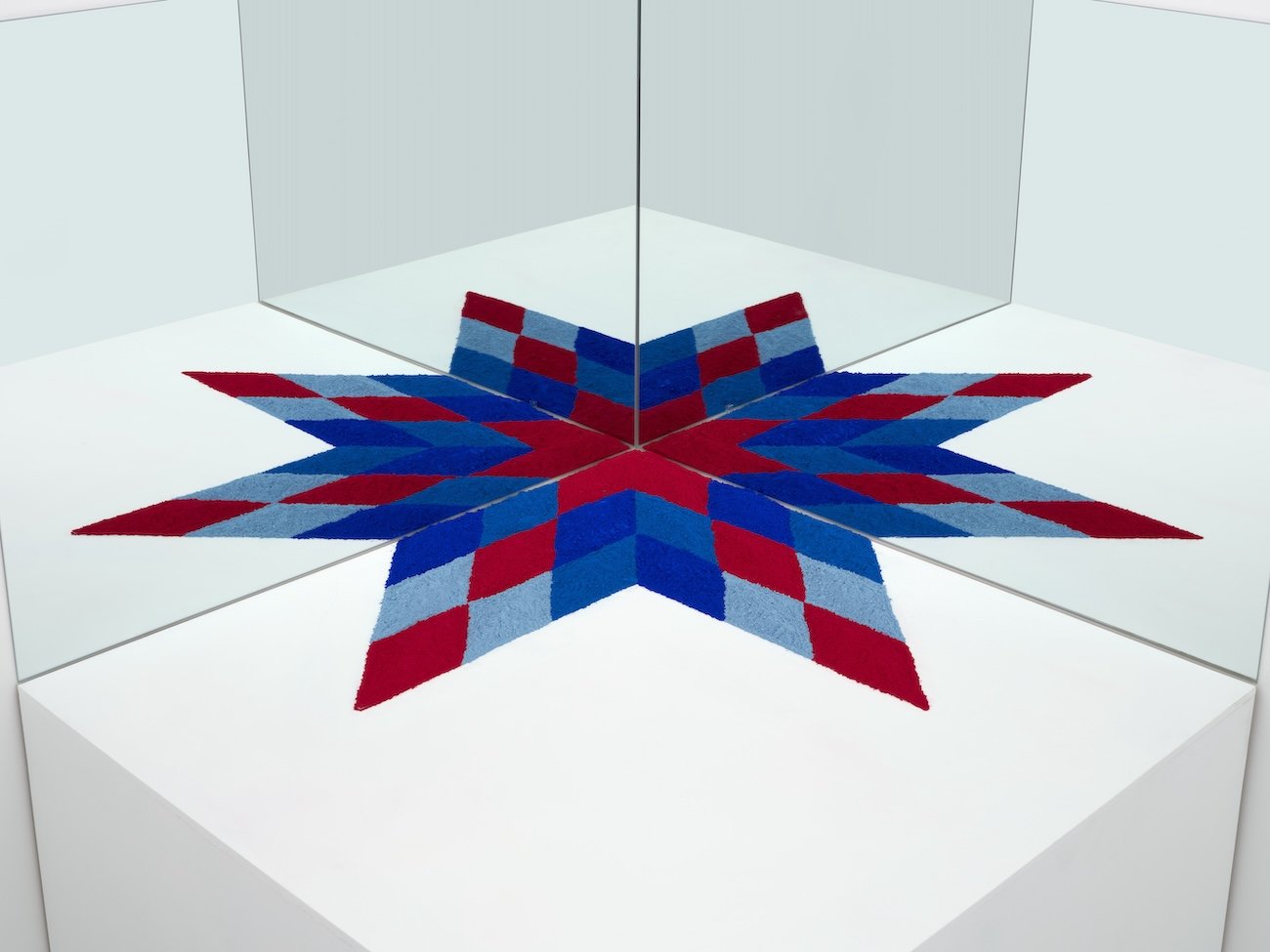
Evening Star I, 2025
Silver polish frameless mirror, Primary Earth dry powder pigment, paper
76.5 × 48 inches
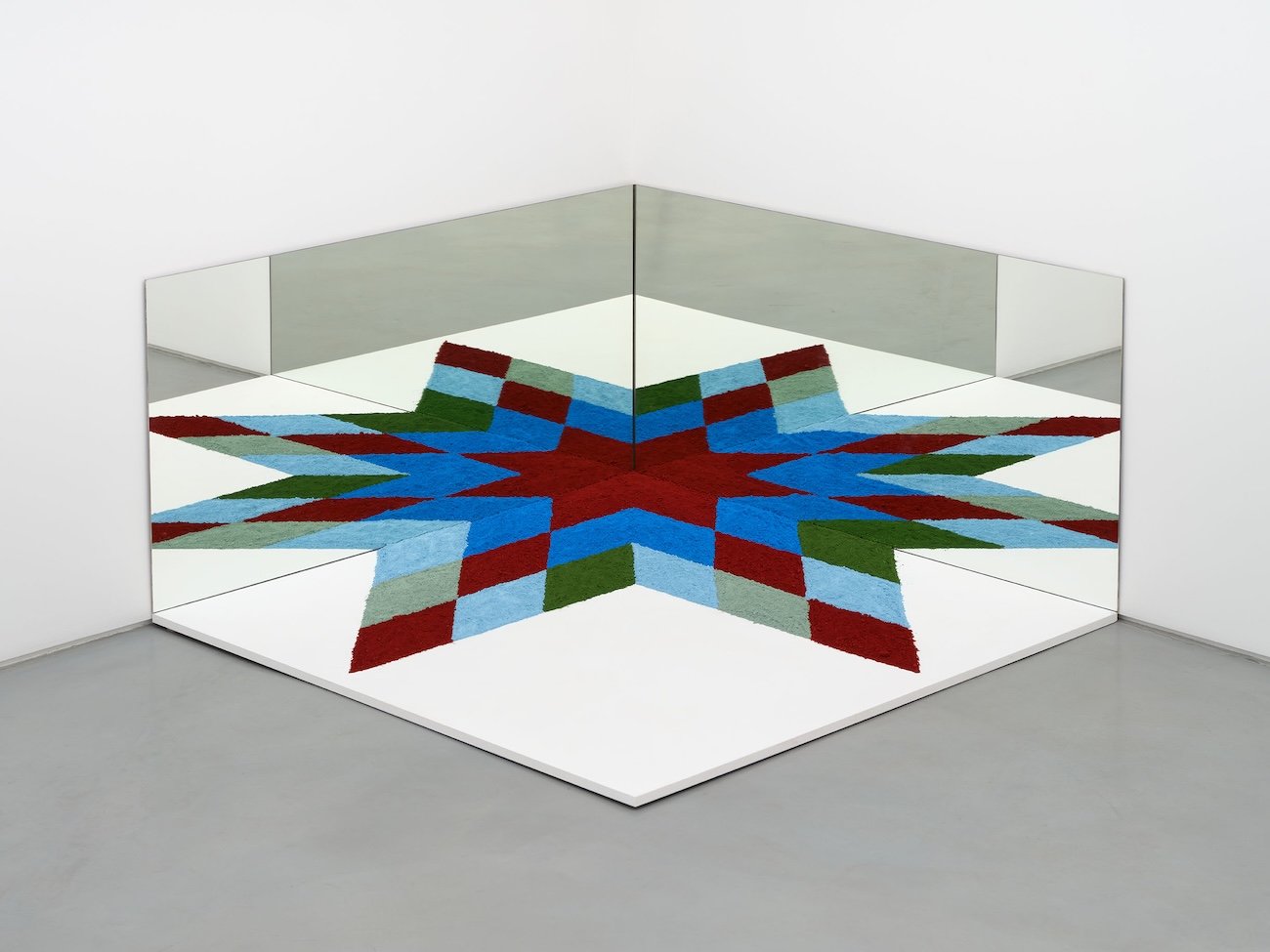
Evening Star II, 2025
Silver polish frameless mirror, Primary Earth dry powder pigment, paper
30 x 60 x 60 inches
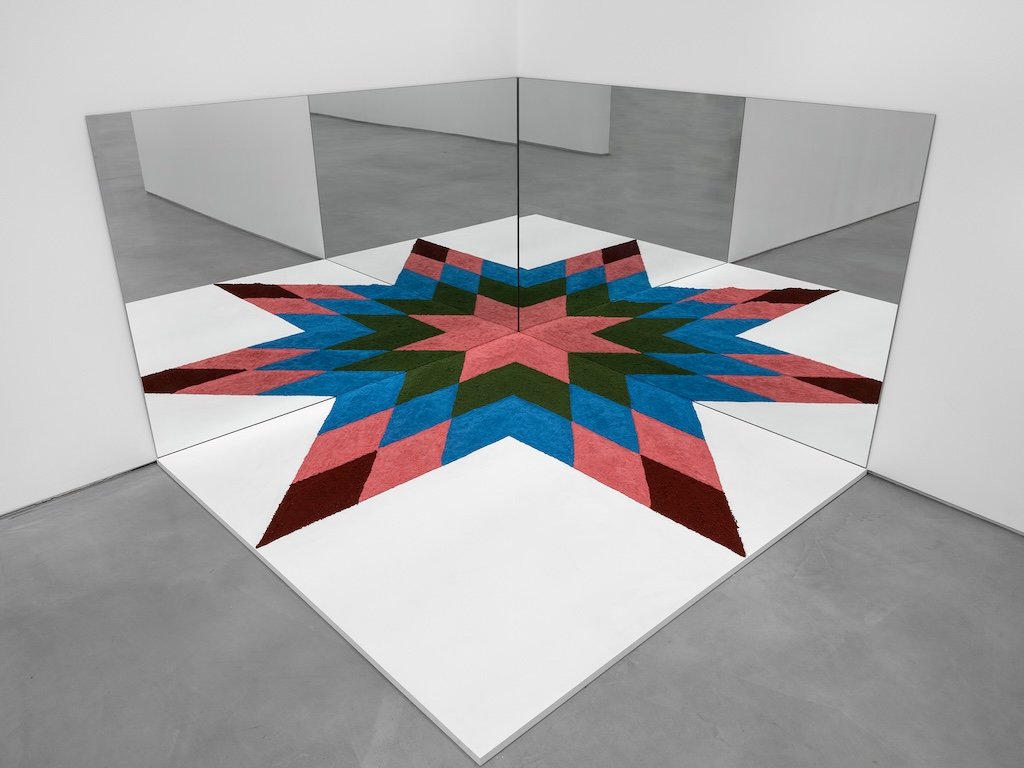
Evening Star III, 2026
Silver polish frameless mirror, Primary Earth dry powder pigment, paper
48 x 72 x 72 inches
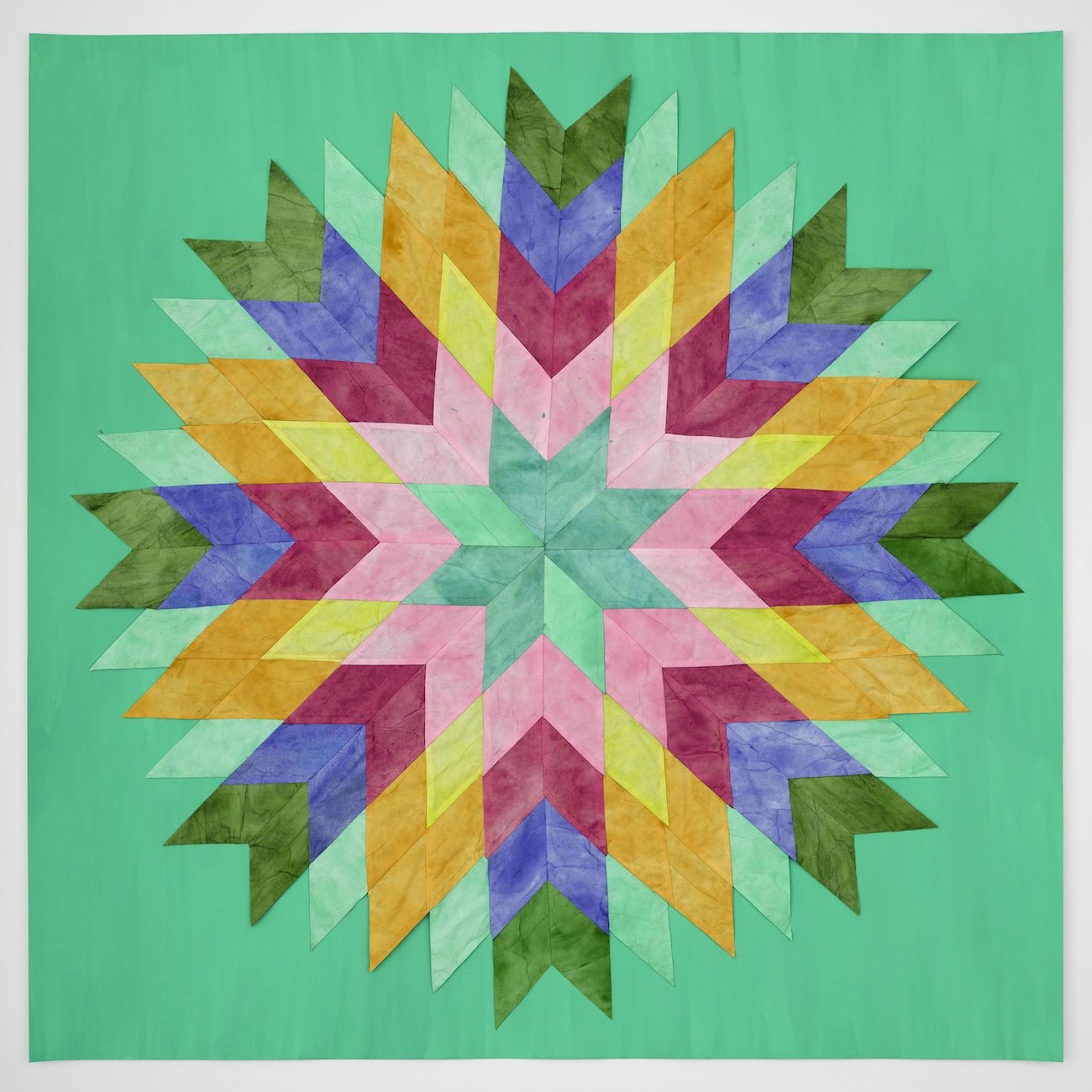
Star Field 002, 2026
Watercolor on Yasutomo rice paper and gouache on BFK Rives printmaking paper
42 × 42 inches
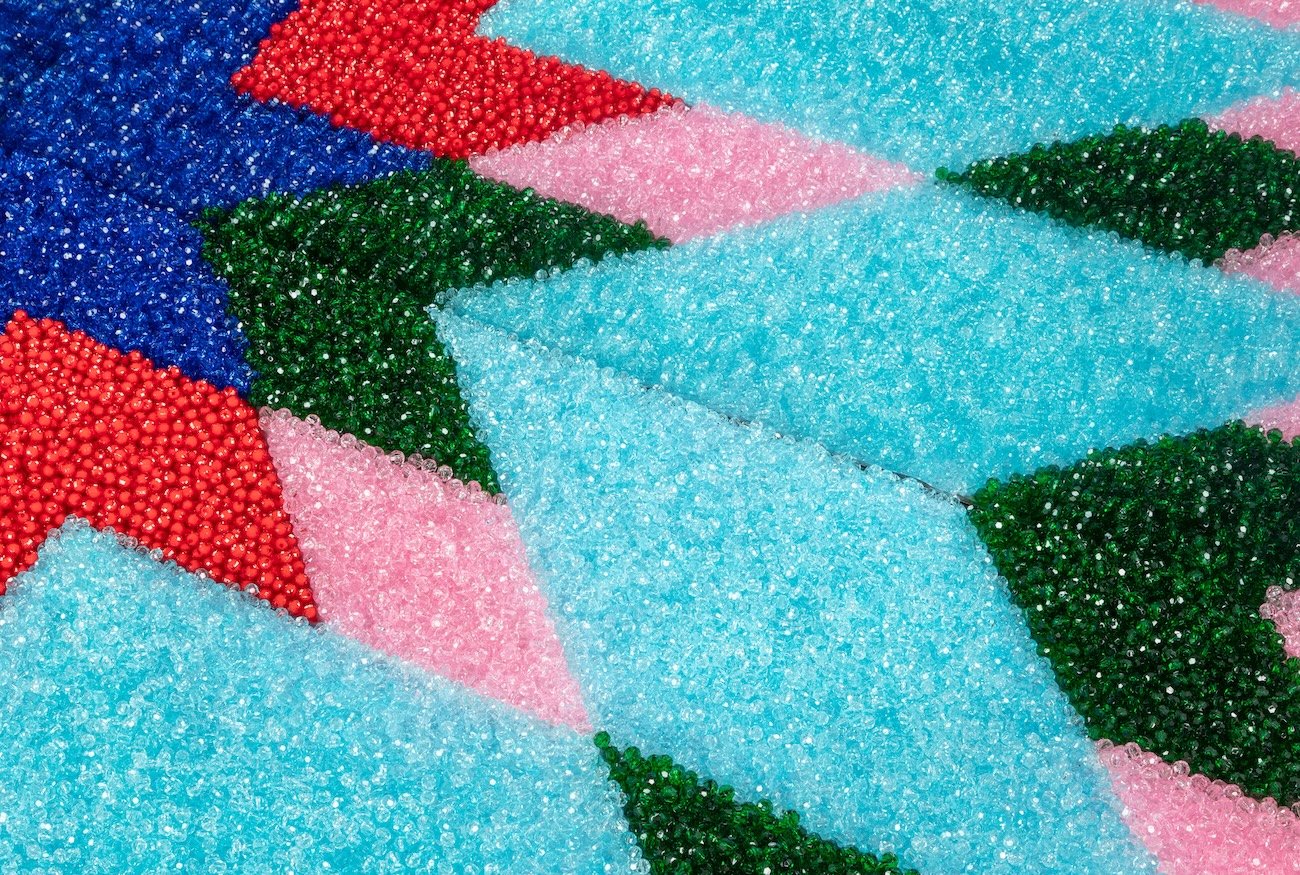
Morning Star I (detail), 2026
Wooden structure, mirrors and acrylic beads
36 × 144 × 144 inches
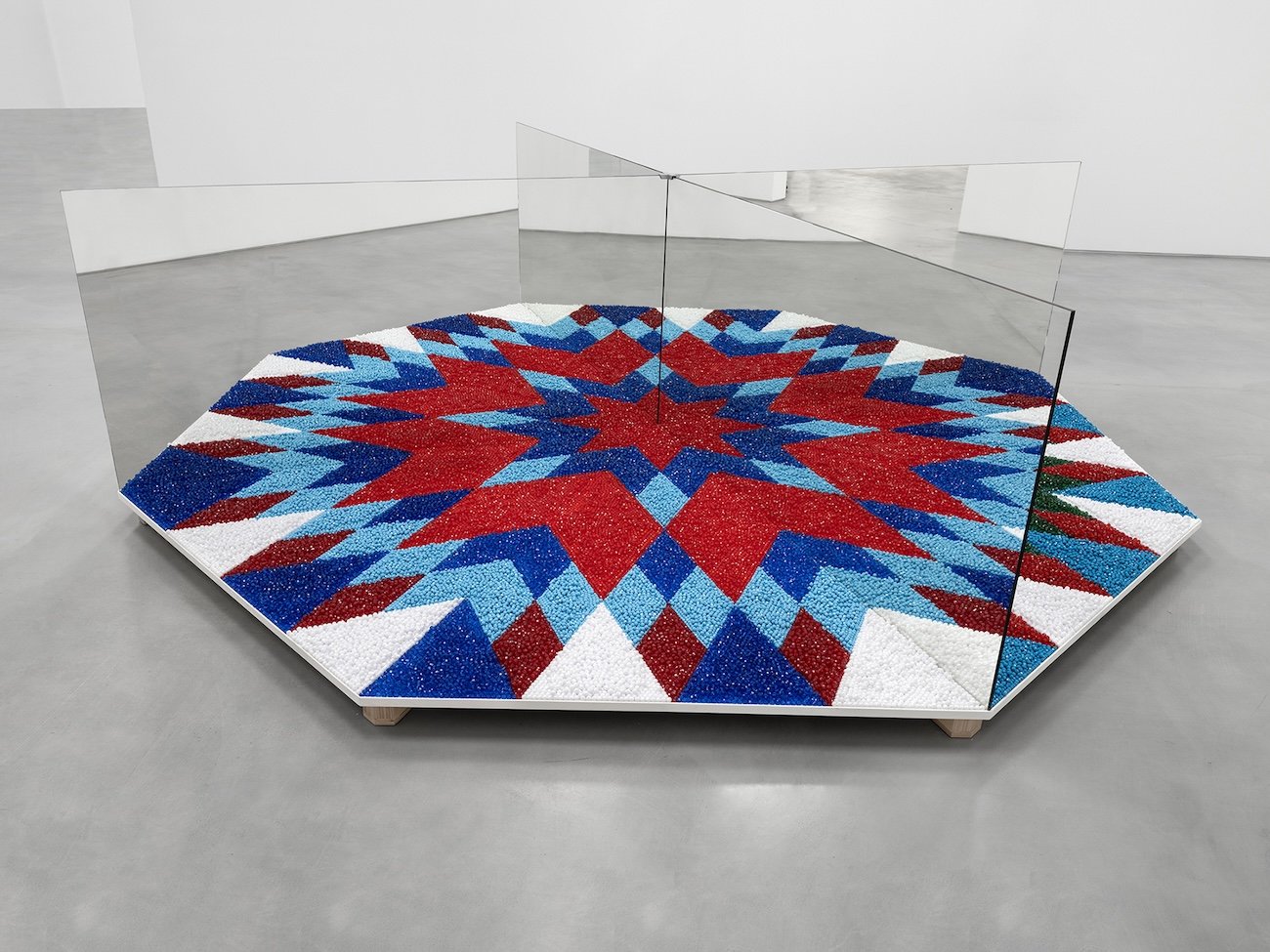
Morning Star II, 2026
Wooden structure, mirrors and acrylic beads
36 × 144 × 144 inches
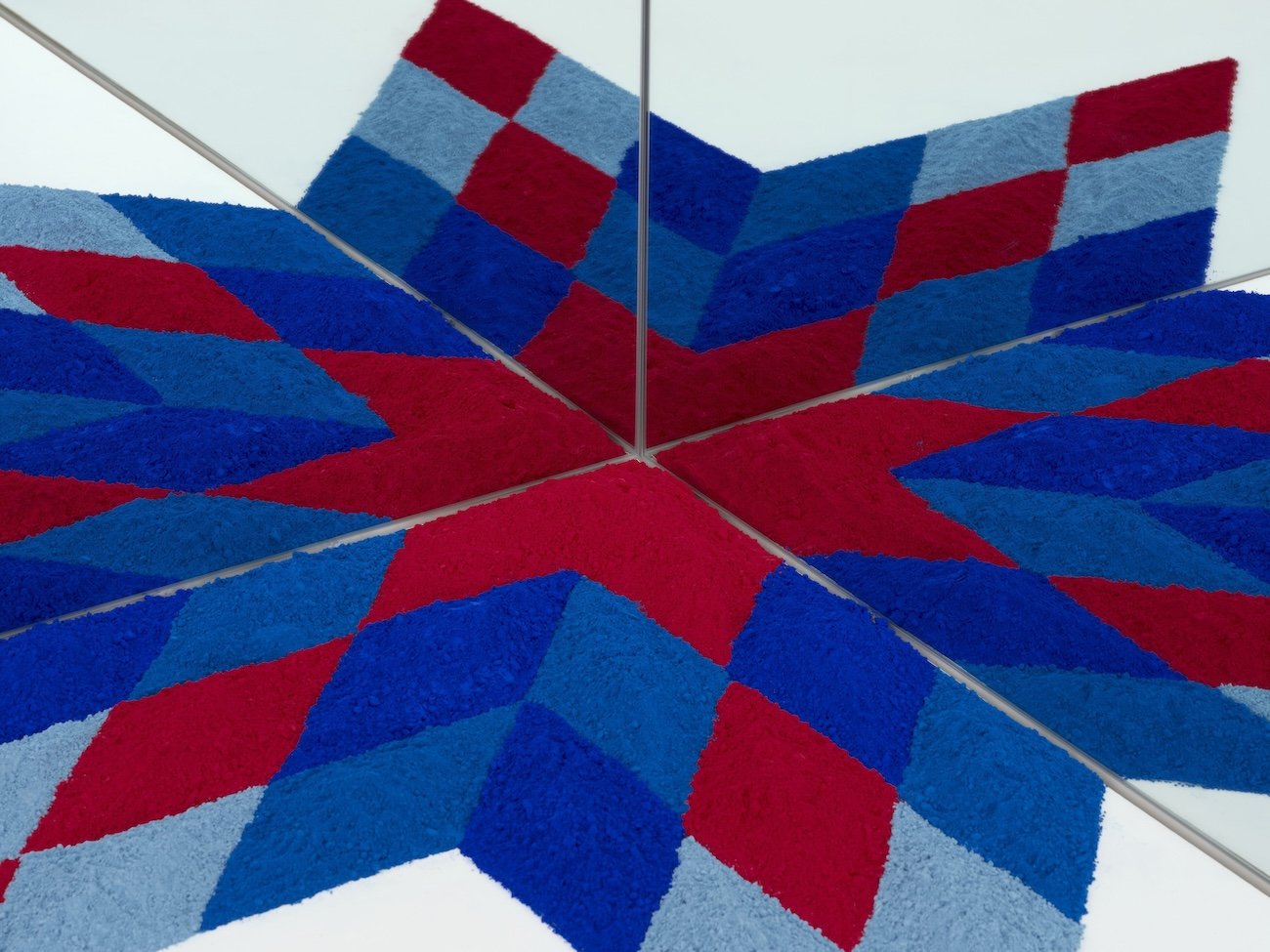
Evening Star I (detail), 2025
Silver polish frameless mirror, Primary Earth dry powder pigment, paper
76.5 × 48 inches
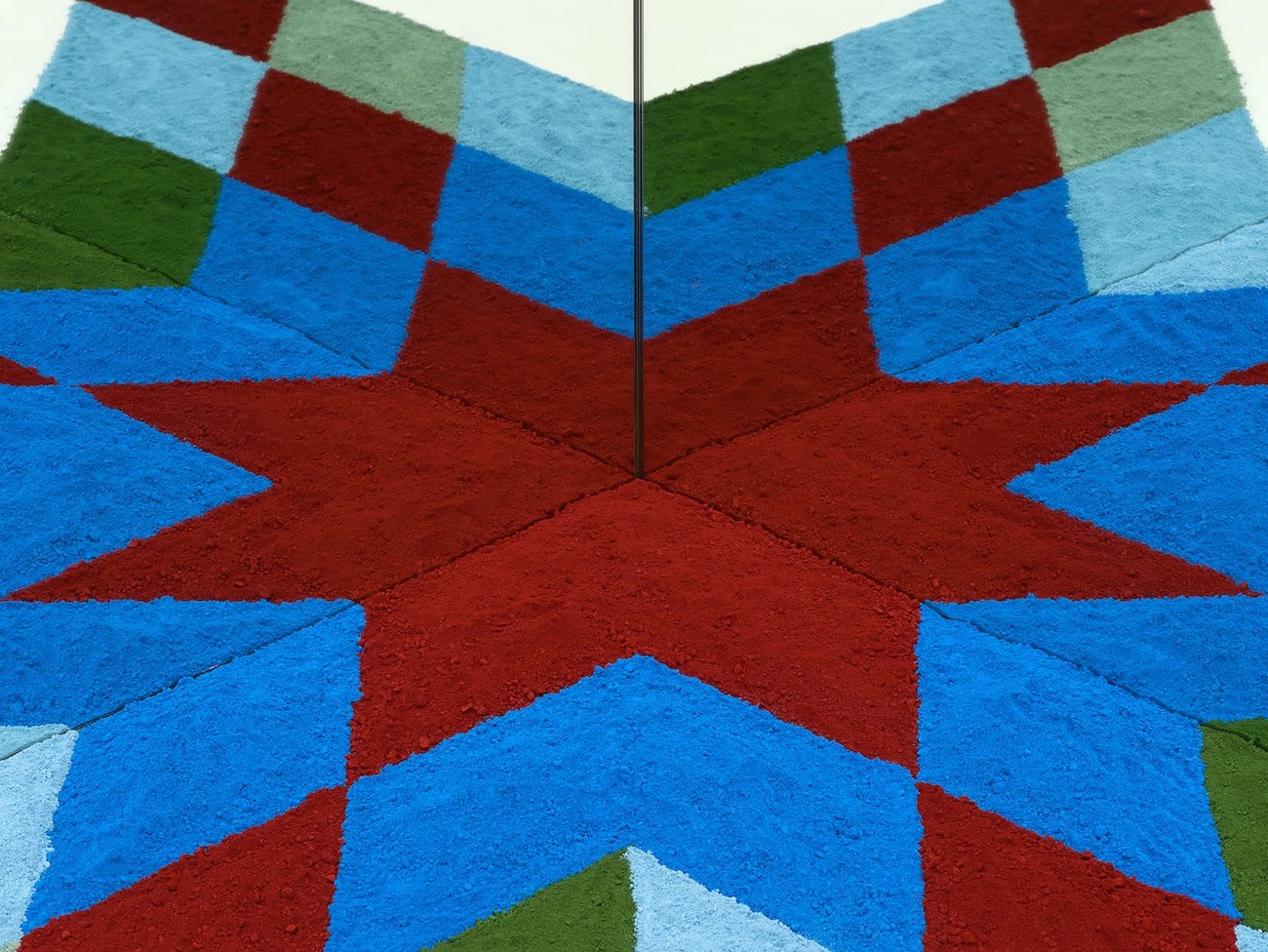
Evening Star II (detail), 2025
Silver polish frameless mirror, Primary Earth dry powder pigment, paper
30 x 60 x 60 inches
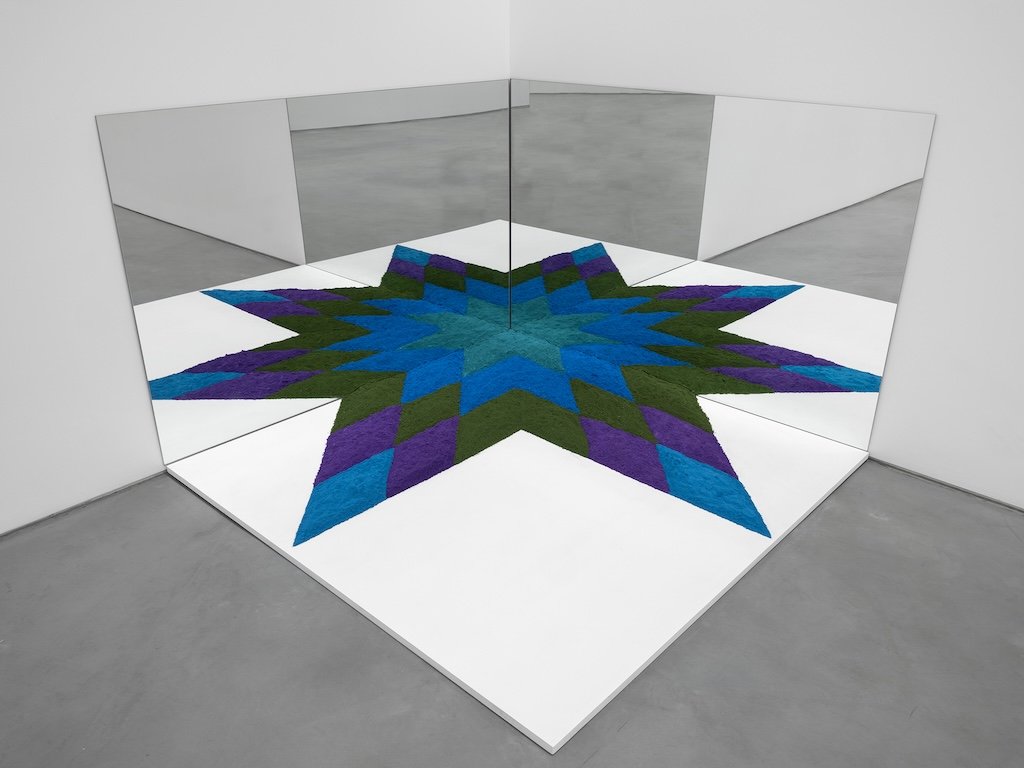
Evening Star IV, 2026
Silver polish frameless mirror, Primary Earth dry powder pigment, paper
48 x 72 x 72 inches
False Stars, 2026
Photography by Kevin McConnell, Dawn Blackman, and Paul Salveson
These works take the Star Quilt through a series of material transformations. Named for the scientific phenomenon whereby a celestial formation is wrongly assumed to be a full-fledged star, the exhibition brings together mirrored installations and works on paper that show the enduring symbolic resonance of the stars.
Red Star grew up with Star Quilts on the Apsáalooke reservation in Montana, encountering them at clan gatherings, powwows, graduations and giveaways. Alongside Pendleton blankets, they were among the most prized gifts she remembers being exchanged; an elaborate quilt made entirely in satin carried particular status. The Star Quilt has its own history of transformation. In the late nineteenth century, Native women across the Plains learned Euro-American sewing and quilting techniques through missionaries, churches and government assimilation programs. Plains women took up these introduced methods and made them their own. Star Quilts became embedded within existing practices of honoring and exchange and developed distinctive approaches to color and composition. A form introduced within a colonial project became, through the hands of Native women, something culturally specific and deeply valued within their communities.
The artist also came to recognize a visual language in the Native Star Quilts around her: diamonds cut from solid-colored fabrics rather than prints, with the complexity of the composition generated through arrangements of saturated color. False Stars begins with this relationship between the diamond and color, then asks how little of the quilt is necessary for the star to remain. Working with earth pigments, mirrors, acrylic beads, watercolor, gouache and paper, Red Star retains the quilt’s underlying structure—diamond, color, repetition, assembly—while largely dispensing with the materials of quilting itself.
In corner installations, mounds of colored earth pigment form the diamonds of a partial star on the floor. Mirrors meeting at ninety degrees produce the remainder through reflection. Two freestanding mirror sculptures apply the same principle to thousands of solid-colored acrylic beads, with quarter-star compositions multiplying into complete patterns as the viewer moves around the work. In each case, most of the star has no material existence at all.
The mirror works developed from a practical technique Red Star encountered while learning to make a Star Quilt. In an instructional DVD, a quilter demonstrated how two small mirrors placed at right angles around a quarter-star could reflect a complete pattern, allowing her to test a color arrangement before committing to the labor and materials of an entire quilt. Red Star enlarges this modest tool into a sculptural device. The resulting combination of mirrors, earth and reflected image unexpectedly enters into conversation with Robert Smithson’s mirror displacements. Rather than beginning with that art-historical reference, however, Red Star arrives there through the practical intelligence of quilt making.
The works on paper approach this same question through painting. Red Star saturates thin sheets of Japanese Sumi paper with watercolor, cuts the colored paper into individual diamonds and folds and assembles them into large stars. Water wrinkles and buckles the paper, leaving it with an almost textile-like surface. The stars are loosely adhered to Rives BFK paper painted in dense fields of opaque gouache, allowing their folds and irregularities to remain visible. Across the exhibition, color continually changes physical condition: loose mineral pigment becomes a mound; watercolor penetrates paper; gouache becomes an opaque field; acrylic becomes thousands of discrete units. The star, meanwhile, persists.
False Stars is less concerned with recreating the Star Quilt than in what its structure can withstand. Cloth disappears. Stitching disappears. A complete star can be made from a quarter of one. Paper can begin to behave like textile, and reflection can stand in for matter. These transformations extend a history already contained within the Star Quilt itself: a form that became significant across Plains communities not by remaining fixed, but by being taken up, altered and made specific. In False Stars, Red Star puts the star through that process once again.
— Text from False Stars, Roberts Projects, Los Angeles, CA
-
False Stars
Roberts Projects, Los Angeles, CAFrieze LA 2025
Roberts Projects, Los Angeles, CARemixed: Entwined Histories & New Forms
Santa Barbara Museum Of Art, Santa Barbara, CABack to the Earth
Roberts Projects, Los Angeles, CA -
Mary Patricia Pence Revocable Trust, Stanford, CA
Santa Barbara Museum of Art, Santa Barbara, CA